
Cyberkannadig: Karnataka’s Next-Gen Digital Pioneers

There’s a generation of people growing up in Karnataka — and in Kannada-speaking households around the world — for whom the question isn’t whether to engage with technology.
That’s settled. The question is whether the digital spaces they inhabit will reflect who they are, what language they think in, and what culture shaped them.
That question is at the heart of the Cyberkannadig identity.
It describes someone who doesn’t separate their Kannada roots from their digital life — a coder who contributes to open-source Kannada tools.
This student prefers learning through Kannada-language videos, a young founder who builds for markets that Bengaluru’s tech elite has historically underestimated.
Cyberkannadig
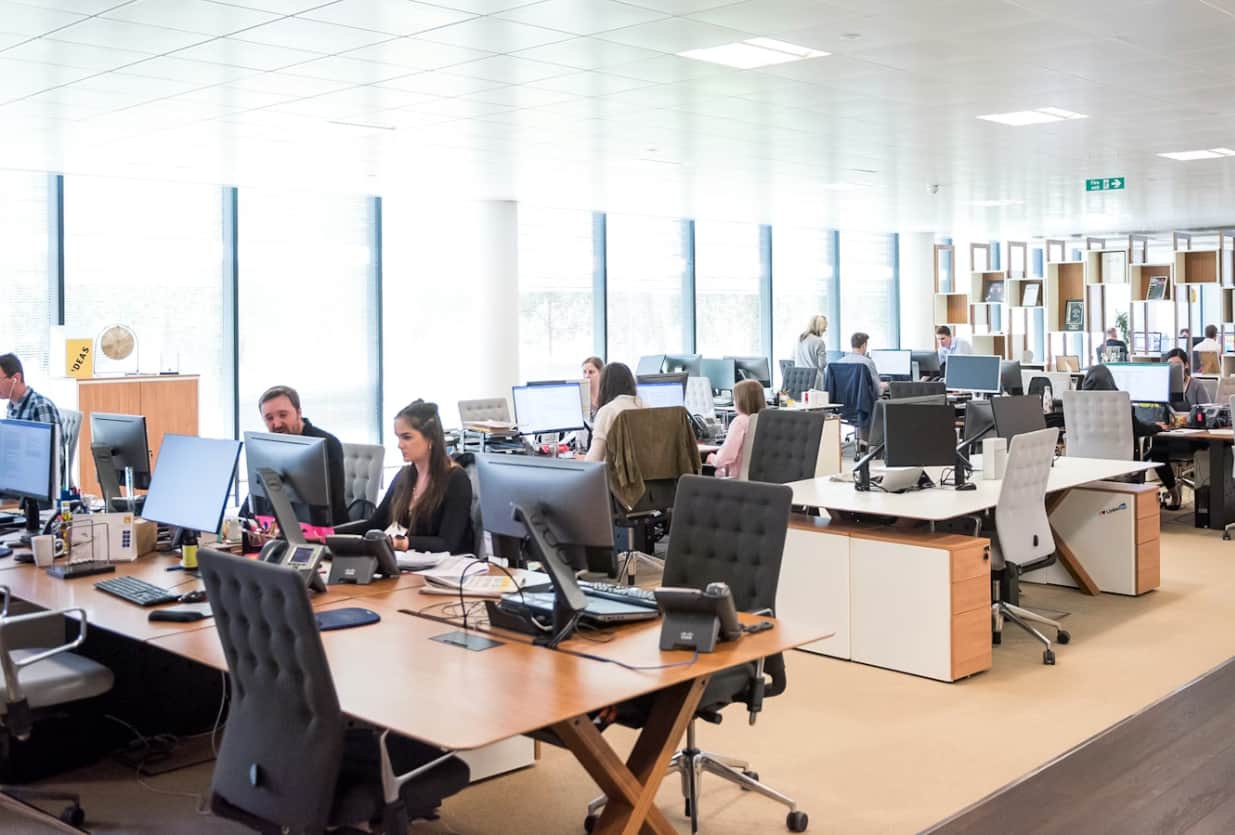
Across all of these, there’s a shared refusal to treat cultural identity as something to be left behind when you log on.
Who Is Shaping the Cyberkannadig Movement Today?
The visible faces of this community have changed. A few years ago, the conversation about Kannada in digital spaces was largely defensive — focused on preservation, on not losing ground.
The tone has shifted. Younger Cyberkannadigas are less interested in preservation as a goal in itself and more interested in expansion: making Kannada a fully functional, expressive, creative language for everything the internet can do.
That means Kannada gaming commentary. Kannada personal finance education. Kannada true crime podcasts. Kannada coding tutorials aimed at school students who will learn faster in their mother tongue than in English.
These aren’t niche hobby projects. Some have found audiences in the hundreds of thousands, built by creators who spotted gaps that no one else was filling.
The entrepreneurial version of this shift looks similar. Younger Cyberkannadig founders aren’t just building for urban Karnataka.
They’re looking at the 60-plus percent of Karnataka’s population that lives outside its major cities — and asking what those users actually need from technology, rather than defaulting to products designed for someone else.
What Cyberkannadigas Are Actually Building?
Tools That Make Kannada Work Online
One of the less glamorous but more consequential areas of Cyberkannadig activity is tooling.
For a language to thrive online, people need to be able to type it easily, search in it accurately, and have software that handles it without breaking.
Kannada has made substantial progress on this front, largely through the efforts of developers who weren’t waiting for large companies to prioritise it.
Open-source Kannada keyboard layouts, transliteration tools, and font projects have made digital Kannada more accessible across devices and platforms.
Work on Kannada speech recognition and text-to-speech — slow and unglamorous — is creating the foundation for voice interfaces that will matter enormously as internet access expands to users who aren’t comfortable with text-first interactions.
Startups Designed for the Real Karnataka
The startups that tend to get attention out of Bengaluru serve digitally sophisticated, English-comfortable, urban users.
Cyberkannadig founders are increasingly building in the spaces those products don’t serve well.
That includes educational tools designed for first-generation learners navigating competitive exams in Kannada, digital finance tools built around the financial behaviours and trust patterns of semi-urban users, and agricultural platforms that communicate in the language and format farmers in Karnataka actually use.
These are hard markets. The distribution is fragmented, the users are price-sensitive, and the design challenges are real.
But the founders who understand these users from the inside have an advantage that can’t be acquired by studying a market research report.
The Content Layer
Content is often where a community’s digital presence becomes self-sustaining. Kannada content on the internet crossed a threshold in the early 2020s, with the volume and quality sufficient to genuinely serve a wide audience.
Channels covering everything from quantum physics to relationship advice found Kannada-speaking audiences who had been waiting for exactly this.
What this content layer does, beyond entertaining or informing individual viewers, is signal to the broader internet infrastructure — algorithms, advertisers, platform product teams — that this audience exists, engages, and is worth building for.
Visibility compounds. The more Kannada content performs well, the more the platform incentives shift in Kannada’s favour.
The Structural Challenges That Remain
Access Isn’t Evenly Distributed
Karnataka’s digital divide runs along predictable lines — urban versus rural, northern districts versus Bengaluru’s orbit, older users versus younger ones.
A Cyberkannadig creator building for the full state has to think about intermittent connectivity, older devices, and data-cost sensitivity in ways that creators building for Bengaluru’s professional class simply don’t.
The best Cyberkannadig products and content accounts for this by design — prioritising lightweight formats, audio-first options, and offline accessibility.
But it adds friction that equivalent English-language creators don’t face, and that asymmetry is worth naming.
Platform Priorities and Language Equity
Global platforms allocate engineering, moderation, and creator support resources in rough proportion to user volume and advertiser revenue.
Kannada sits in a bracket where the community is meaningful but not commanding.
Features that Hindi or English creators take for granted — robust content moderation, creator monetisation tools, accurate recommendation algorithms — work less reliably for Kannada content.
Cyberkannadig advocates have been raising these issues consistently.
Movement has been slow, but the cumulative pressure of a large, engaged, vocal community does eventually shift platform behaviour. The work is ongoing.
Why This Generation Will Define the Outcome?
The decisions being made now — what tools get built, what content gets created, what standards get set for Kannada in digital spaces — will shape the language’s digital trajectory for decades.
The generation of Cyberkannadigas currently in their twenties and thirties is making those decisions.
They’re doing it with more resources, more tools, and more precedent than any previous generation had.
They’re also doing it at the exact moment when AI is remaking the internet’s language layer.
How well Kannada is represented in the training data, benchmarks, and deployment of AI systems will depend significantly on how much infrastructure this community builds in the next five years.
That’s not a small thing. It’s the difference between Kannada-speaking users having AI tools that actually work for them — or spending another decade working around systems that weren’t built with them in mind.
Frequently Asked Questions
- What exactly does Cyberkannadig mean?
A Cyberkannadig is someone from Karnataka who actively engages with the digital world while staying connected to the Kannada language and culture. It covers a wide range: developers, entrepreneurs, content creators, researchers, and digital advocates who bring Kannada identity into their online work.
- Is the Cyberkannadig community only based in Karnataka?
Not exclusively. Kannada-speaking communities exist across India and in diaspora populations globally. Many people who identify as Cyberkannadigas live and work outside Karnataka but remain invested in Kannada’s digital future through content creation, software contributions, and advocacy.
- How is this community contributing to AI and language technology?
Through dataset annotation, NLP benchmark development, open-source model contributions, and advocacy for Kannada representation in commercial AI systems. This work is critical because AI tools — voice assistants, search, translation, generative AI — rely on language-specific training data, and Kannada’s quality in those systems depends on this community’s contributions.
- What kinds of startups are Cyberkannadig founders building?
The range is broad: edtech for Kannada-medium learners, agritech for Karnataka’s smallholder farmers, regional fintech, Kannada-language media platforms, digital governance tools for local government, and consumer apps designed for semi-urban and rural Karnataka users.
- How can someone support the Cyberkannadig community if they’re not from Karnataka?
Engage with Kannada-language content, support open-source Kannada language tools, advocate for regional language equity on the platforms you use, and pay attention to the startups and creators building in this space. Attention and engagement create the platform signals that eventually move infrastructure.
- What is the biggest opportunity for Cyberkannadigas in the next five years?
Kannada AI infrastructure — building the datasets, benchmarks, and models that will determine how well AI systems serve Kannada speakers. First-mover work in this space has long-term leverage and is significantly underfunded relative to its importance.
Conclusion:
The Cyberkannadig story is, at its core, about agency.
It’s about a community choosing not to wait for the internet to become more inclusive on its own timeline — and instead building the inclusion they want to see, at the layer where they have the most leverage.
That’s a story worth understanding, regardless of whether you have any connection to Karnataka.
Because the questions this community is navigating — how does a language survive and grow in an AI-mediated internet, who gets to shape the tools that define digital participation — are questions every regional language community will face.
The Cyberkannadig community is working on answers. Pay attention.
Also Check:
