
172.16.252.214:4300 – What It Is & How to Fix It?

If you’ve typed 172.16.252.214:4300 into a browser and hit a blank screen — or spotted it in a log and wondered what it actually points to — you’re not alone.
This kind of address shows up in enterprise environments constantly, and the confusion is understandable. It looks technical, slightly cryptic, and gives nothing away at first glance.
Here’s what’s happening: you’re looking at a private IP address paired with a port number. Together, they point to a specific device and a specific service running inside a closed network.
172.16.252.214:4300
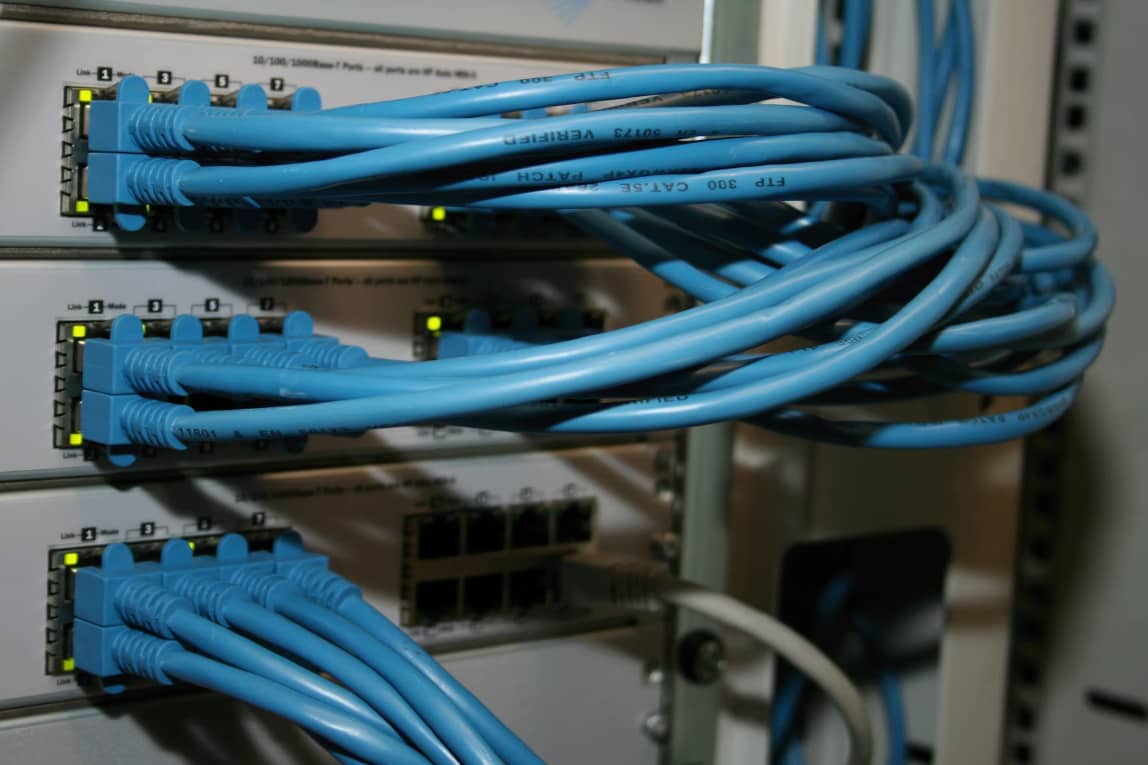
This guide breaks down both pieces, explains how to reach them when needed, and covers what to check when things don’t connect.
What 172.16.252.214:4300 Actually Means?
The address has two parts, separated by a colon.
172.16.252.214 is a private IP address. Per the IANA (Internet Assigned Numbers Authority), the range 172.16.0.0 through 172.31.255.255 is reserved for private use only – meaning it doesn’t exist on the public internet.
You’ll find addresses like this inside office networks, corporate LANs, and data center environments.
They allow organizations to run hundreds or thousands of devices without burning through public IP allocations.
4300 is the port number. Every device can run dozens of services at once, and ports are how traffic gets routed to the right one.
Port 80 handles standard web traffic. Port 443 handles HTTPS.
Port 4300 isn’t a well-known standard port — it’s typically assigned by a network administrator to a custom application, an internal web panel, or a device management interface.
Put them together: 172.16.252.214:4300 identifies one machine on a private network and one service running on it. Nothing more, nothing less.
The Different Notations — And Which One Works
Depending on where you’ve seen this address, the format might look slightly different:
172.16.252.214:4300— Standard and correct. Use this in browsers and command-line tools.172.16.252.214.4300— Dot notation. Appears in certain log files or legacy software that doesn’t handle colons cleanly. Not valid for browser access.172.16.252.214;4300— Semicolon separator. Usually a formatting error — copy-paste artifact or spreadsheet corruption.172.16.252.214:4300/— With a trailing slash. Fine in URLs; the slash just points to the root path of whatever service is running.
All of these refer to the same device and port. Only the colon format works reliably in a browser or terminal.
How to Access 172.16.252.214:4300?
Access only works if you’re on the same private network as the device — either physically connected, on the same Wi-Fi, or connected via VPN.
From a browser: Type http://172.16.252.214:4300 directly into the address bar. If a service is running and your access isn’t blocked, you’ll hit a login page or a configuration interface. No result usually means the port is closed or firewalled, not that the device doesn’t exist.
From the command line:
- Check if the device responds at all:
ping 172.16.252.214 - Check if port 4300 specifically is open:
telnet 172.16.252.214 4300 - For a cleaner port scan:
nmap -p 4300 172.16.252.214
If ping works but the port doesn’t respond, the service is likely down, or the firewall is dropping that specific port.
Why You Might Not Be Able to Connect?
There are four common reasons access fails, and each points to a different fix.
- Firewall is blocking port 4300. This is the most frequent culprit. Network firewalls can block outbound or inbound traffic on specific ports. If you’re on an enterprise network, your IT team may need to allow your machine’s IP through the firewall rules.
- The service on port 4300 isn’t running. A port is only reachable if something is actively listening on it. If the application that was configured to use port 4300 has crashed, stopped, or been moved, the port goes dark. Restarting the service on the host machine resolves this.
- You’re on a different subnet. 172.16.x.x is a large private range, and networks are often segmented into smaller subnets. If your machine sits on a different subnet, traffic may not route to 172.16.252.214 without explicit routing rules in place.
- Wrong IP. Device IPs on private networks can change — especially if DHCP is assigning them dynamically. The device you’re trying to reach may have been reassigned a different address. Verify the current IP through your network admin or a device management console.
Security Considerations
Private doesn’t mean safe. A few things worth keeping in mind:
Services running on non-standard ports like 4300 can be vulnerable if they’re running outdated software. Attackers who gain internal network access — through phishing, a compromised device, or a poorly secured VPN — can scan private ranges and probe for open ports just as easily as anything public-facing.
If you’re a user who stumbled onto this address: don’t attempt to log in without authorization. Accessing internal systems without permission can violate company policy and, depending on jurisdiction, relevant computer misuse laws.
Best Practices for Network Administrators
If you’re managing a service on 172.16.252.214:4300, a few practical measures go a long way:
- Authentication. Any interface reachable on this port should require credentials. Ideally, use two-factor authentication for anything sensitive.
- Keep the service patched. Unpatched software on internal ports is a common vector once an attacker is inside the network. Set a schedule for updates.
- Restrict access by IP. Firewall rules that only allow known, authorized IP addresses to reach port 4300 significantly reduce exposure.
- Log access attempts. If someone is probing or repeatedly failing to authenticate, logs will catch it. Make sure logging is enabled and reviewed regularly.
- Use VPN for remote access. If users need to reach this service from outside the office, route them through a VPN rather than exposing the port publicly.
FAQs
- Q: Is 172.16.252.214 a public IP address?
No. It falls within the 172.16.0.0–172.31.255.255 range, which IANA designates as private. It’s not routable on the public internet.
- Q: Why doesn’t 172.16.252.214:4300 load in my browser?
Most likely, you’re not on the same private network as the device, or port 4300 is firewalled or inactive. Try pinging the IP first to confirm basic connectivity.
- Q: What service typically runs on port 4300?
There’s no universal standard. Port 4300 is in the unregistered range and is often used for custom internal applications, admin panels, or device configuration tools — whatever an administrator assigned to it.
- Q: How do I find out what’s running on port 4300?
Ask your network administrator, or use it nmap -p 4300 172.16.252.214 if you have permission to scan the network.
- Q: Can someone outside my organization access this address?
Not directly — private IPs don’t route over the public internet. However, if your network has misconfigurations, an exposed VPN, or a compromised internal device, internal ranges can become reachable.
- Q: Is it safe to access 172.16.252.214:4300?
It depends on what’s running on it and whether you’re authorized. The IP being private doesn’t automatically make the service secure — use proper credentials, ensure the software is up to date, and only access it with authorization.
Conclusion:
172.16.252.214:4300 is a private IP paired with a port that points to one service on one device inside a closed network.
It’s not publicly accessible, it’s not inherently dangerous, and it’s not unusual to encounter it in enterprise environments.
If you can’t connect, work through the checklist: verify you’re on the correct network, check whether the service is running, confirm the IP hasn’t changed, and look at firewall rules.
If you’re managing this address, keep the service updated, log what hits it, and restrict who can reach it.
Final Verdict:
If you manage internal network services and want to make sure port access is properly secured, review your firewall rules, enable login logging on any service running on non-standard ports, and confirm that VPN is the only remote access path. Small configuration checks now prevent larger incidents later.
Also Check: